Current Status and Trends of Disposable Gloves Industry
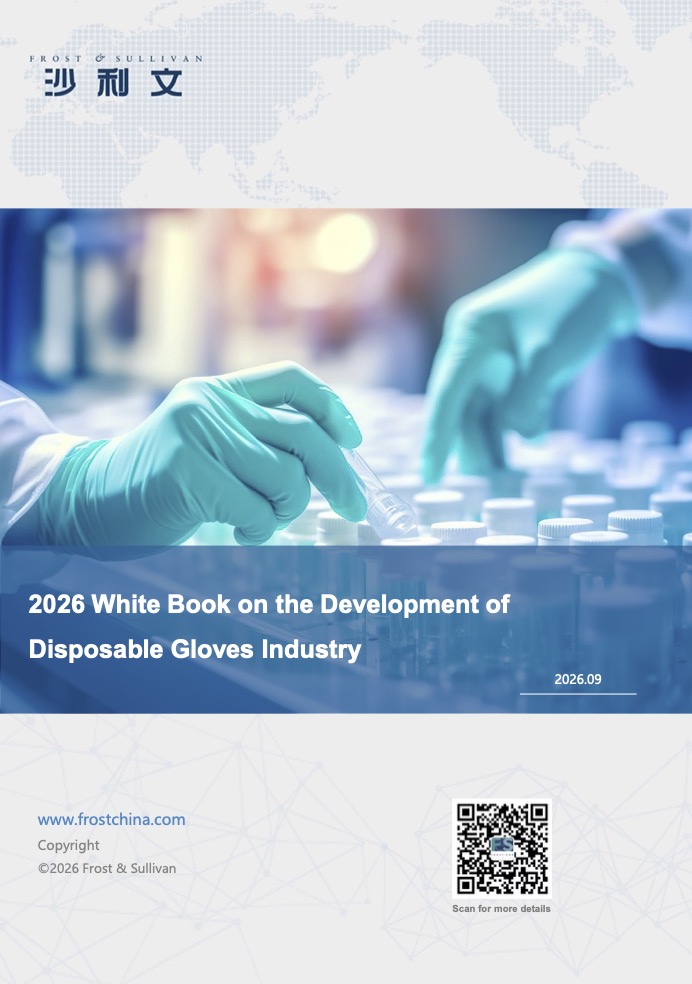
View our Complimentary White Book
The demand for disposable gloves originates from protective needs across diverse scenarios including medical protection, industrial safety, and daily hygiene, having rapidly evolved into a comprehensive product ecosystem encompassing medical examinations, surgical procedures, food processing, pharmaceutical R&D, industrial manufacturing and daily life. Driven by rising global health awareness, increasingly stringent infection control standards in medical institutions, and the ongoing enhancement of healthcare delivery capabilities, market demand continues to expand steadily. This structural shift in demand is concurrently accelerating the industry’s transition from conventional commodity supply toward differentiated, functional, and scenario‑customized offerings.
Regulatory systems for disposable gloves in major global markets continue to deepen, and the industry management framework keeps improving. Through multi-department coordination, China has gradually established differentiated classification and tiered management by intended use. Medical gloves are subject to medical device registration and filing, while food-contact and industrial protection gloves are governed by corresponding product quality control standards, further institutionalizing the system and strengthening the scientific rigor and standardization of disposable gloves at the technical level. Meanwhile, the full implementation of manufacturing practices for medical devices across different countries is driving the regulation toward a stage emphasizing standards, quality and certification.
The industry is shifting rapidly from conventional single‑category lines toward high‑performance, multi‑functional systems. Nitrile gloves, with their abrasion resistance and low allergenicity, are steadily displacing natural latex alternatives, with their market share on a consistent upward trajectory. Meanwhile, technological innovations, represented by a new generation of synthetic gloves, are steering competition away from price‑based tactics and toward technological differentiation and product performance. Concurrently, regulatory frameworks are tightening, and leading domestic manufacturers in China are leveraging their integrated supply chains, smart manufacturing capability and cost advantages to expand globally, while major global markets are continuously refining product certification and quality management regulations. Collectively, these forces are raising barriers to entry, further reinforcing the moats of established players.
Download this complimentary White book to discover:
Life Cycle Analysis of Disposable Gloves
Analysis of the Disposable Gloves Industry Development Environment
Disposable Gloves Market Potential Analysis
Competitive Landscape Analysis of Global Disposable Gloves Manufacturers by Sales
Default PDF Reader
Register to Download the Blue Book To-go
60 YEARS OF INSIGHTS
Our Global Initiatives

ABOUT THE ANALYST
Peng Wang


About Our Firm
Frost & Sullivan